…
– Journeys from the edge
If your grandparents were around at the time of events described, then it’s modern history!
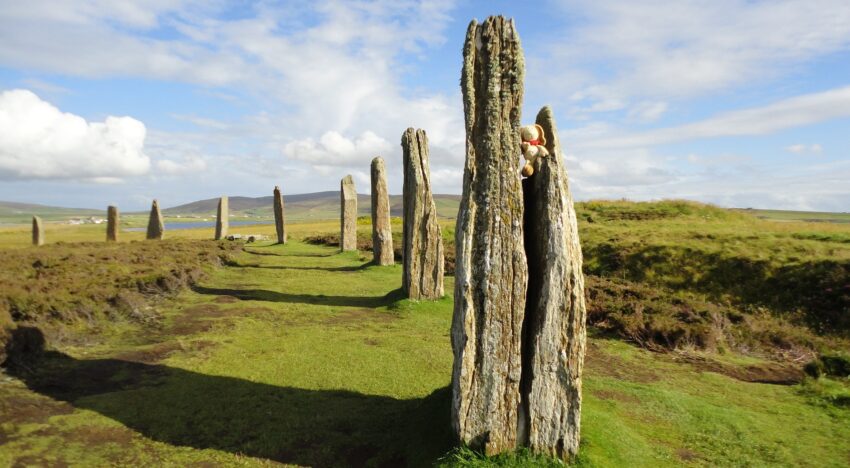
EXTRACT: Orkney Island, Scotland …..The shoreline was now strewn with rubbish; not just newspapers and carrier bags, but rusting tin drums and petrol containers. I walked for a further mile along this stretch, hoping that this threat to Orkney’s natural beauty would soon recede. In the distance I could see a farmhouse at the top of some fields. I stopped by a burnt out car and viewed the building through my binoculars….

Modern Classics – Travel literature book review – The Age of Kali , William Dalrymple, 1998.
William Dalrymple’s first book, In Xanadu, assumed classic status in the world of travel literature when it was published in 1990. It was the tale of his swashbuckling and erudite journey across the Middle East, Asia and China, accompanied by two other fresh-faced Cambridge graduates.
He then settled in Delhi for several years, from where he wrote and published an engaging portrait of the place, City of Dijanns. Dalrymple then collected a series of reflections, largely on India, some on Pakistan, which he made the basis for his book, The Age of Kali – Kali is a Hindu god of destruction, which sets the path for much of what follows in his book.
These collections though are not the leftovers from his other works. Deeply troubling and much more than the scholarly works of a former student explorer, they represent a very courageous collection of stories. For these, he has travelled far and wide to talk to those who have challenged the status quo across the Subcontinent’s villages and cities, often getting caught up in a world of violence and corruption.
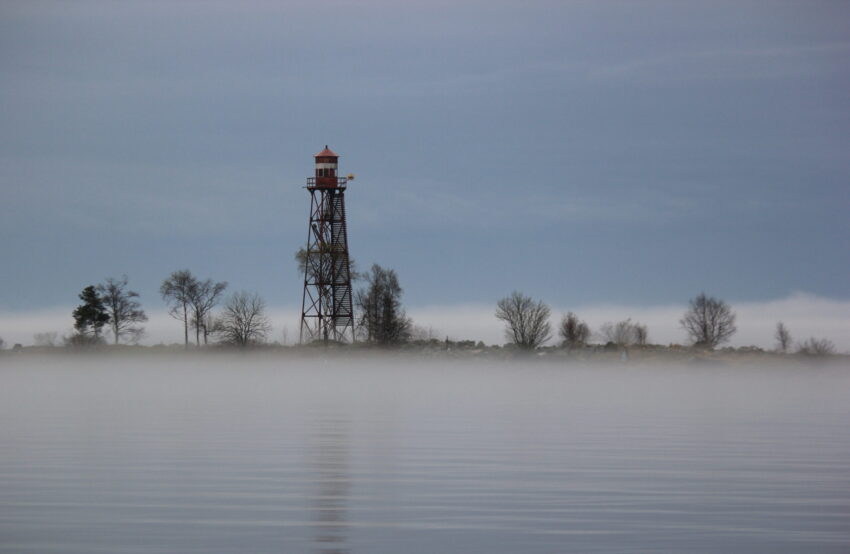
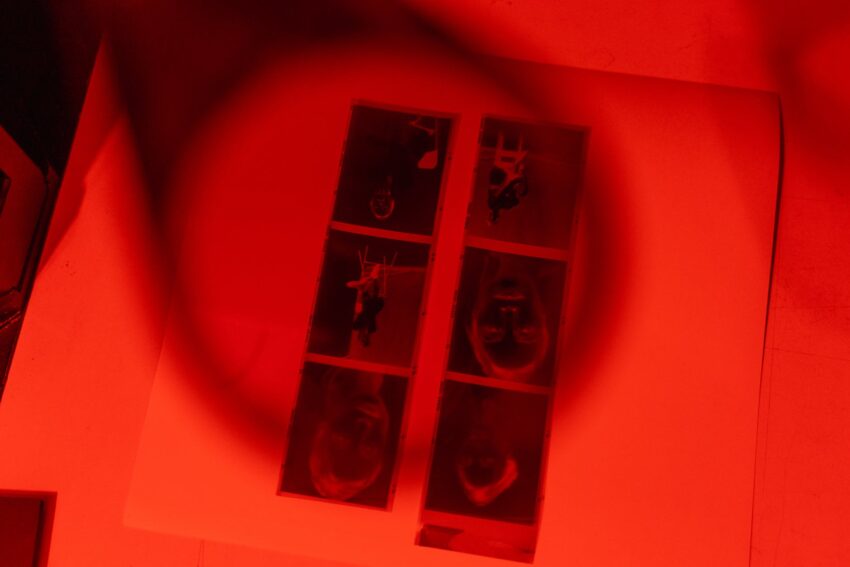
Extract: During the 1970s I attended a Lancashire secondary school. Perhaps, one of the more unusual ‘O’ Level options I chose was Art. I say, unusual, because I lacked dexterity, and couldn’t tell the difference between a Picasso and a Beano. However, several months into my Art studies, an off-shoot of the discipline presented itself, which certainly opened up an interesting divergence – photography.
So, whilst most of the other students diligently applied themselves in the Art classroom, a two-minute walk away, around the back of the school stage, over a period of months, I set to work with two long standing friends in the dark room to see how we could best exploit those unsupervised alternative curriculum hours.